Featured

Representation

 Representation

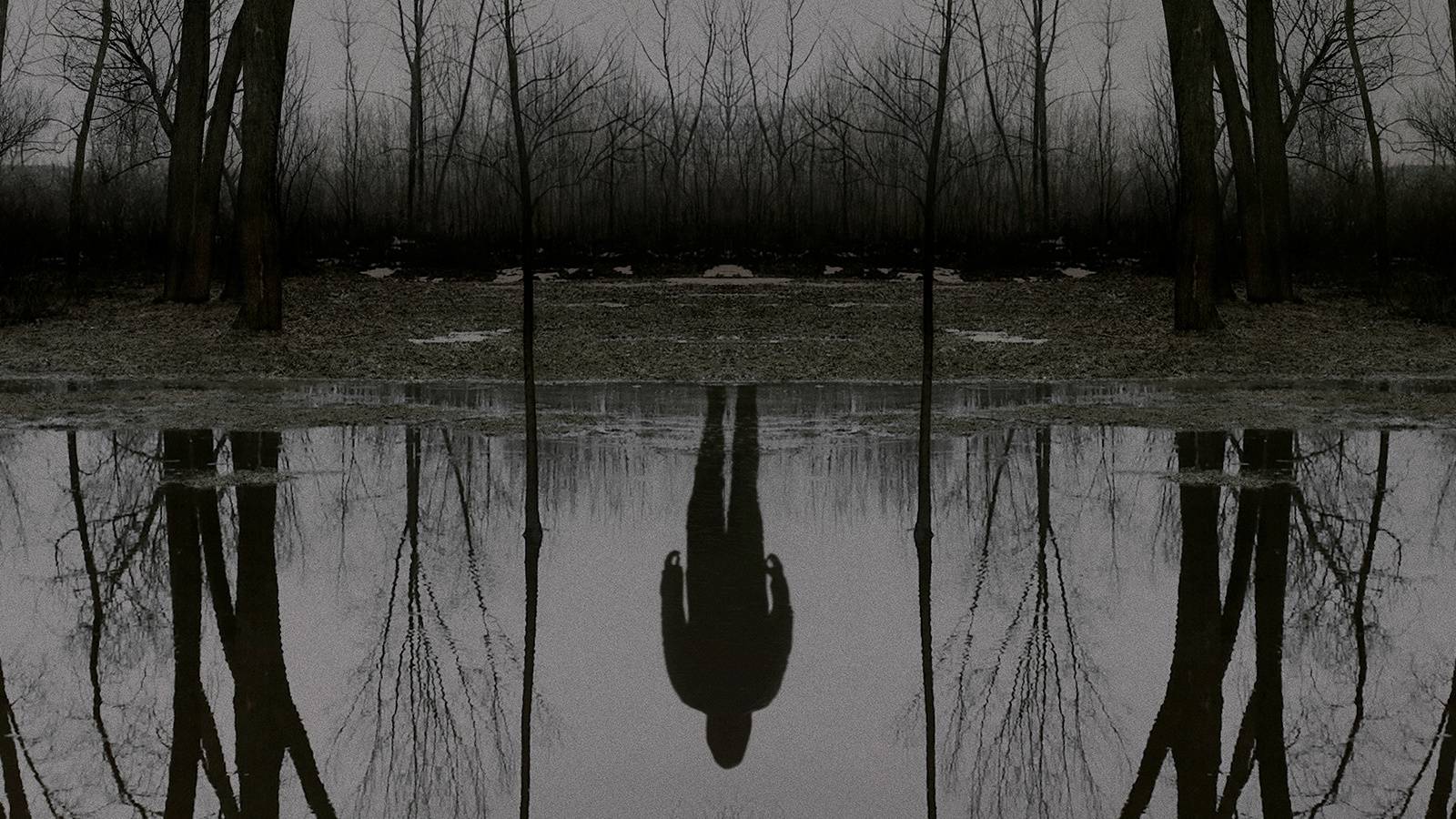
Man alone with thoughts

In this opening sequence, I want to show how society pressures young people to hide their real emotions and live behind a socially acceptable façade. It explores how outside judgments and quick assumptions can slowly be absorbed until they become part of someone’s own identity. This reflects Stuart Hall’s theory of representation: media producers never present reality in a neutral way—they actively construct it through selection, deciding what to include and what to leave out—so what the audience sees is only a particular version of reality. My portrayal of teenage identity and hidden emotional struggle is exactly such a constructed version, designed to make viewers question how much of what they believe about adolescence and masculinity is shaped by the media’s framing rather than by objective truth. The psychological horror in this sequence comes not from supernatural forces but from the terror of an ordinary mind under the weight of these social pressures.

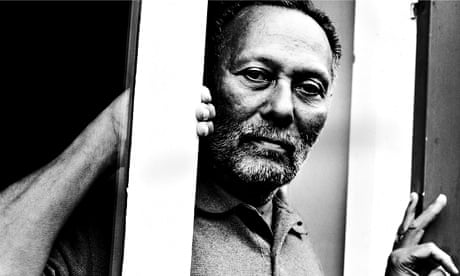
                                      Stuart Hall (1932-2014)

Stereotypes Used

  • Masculine Stoicism – The cultural belief that boys and men should stay strong and suppress their feelings, creating a breeding ground for unspoken pain that psychological horror can exploit.

  • Labelling and Judgement – The tendency to define people by quick assumptions or single traits, which becomes a source of dread when those labels begin to feel permanent and self-fulfilling.


  • Teenage Emotional Turmoil – The familiar portrayal of adolescence as a time of hidden struggles and inner conflict, turned unsettling when those private battles become the true source of horror.


  • Teen Rebel – The common media shorthand for adolescents who challenge authority or norms, often shown as moody, misunderstood, or struggling with identity. Your story hints at this through the pressure on the boy to define himself against others’ judgments.


  • The Outsider / Loner – A familiar character type who doesn’t fit in with peers, creating both sympathy and unease. Psychological horror often amplifies this stereotype to heighten isolation and paranoia.


  • Victim of Bullying – A recurring representation in teen and school-based media, where a character is defined by how they are treated by others. The negative labels written on the mask echo this well-known stereotype.


  • Troubled Teen – Another established media trope portraying adolescence as a time of internal chaos, emotional instability, or hidden darkness, which fits naturally within a psychological horror framework.


  • Strong, Silent Male – A classic gender stereotype where men and boys are expected to hide emotions, stay composed, and show strength rather than vulnerability. This feeds directly into the psychological tension of the sequence.

Hall argues that stereotypes like these function as cultural shorthand: they allow complex ideas to be communicated quickly because audiences already recognise them. But they also have the power to shape how society perceives certain groups. By drawing on these familiar stereotypes, the sequence both uses and critiques the way media can influence how we think about teenagers, masculinity and mental health.

Inspirations:

1. The Babadook (2014)

Summary: A widowed mother and her young son are haunted by a sinister storybook creature that becomes a manifestation of their grief and fear.
Stereotypes:

  • Masculine Stoicism / Strong, Silent Male: Male characters, like the father figure who is remembered but never mourned openly, embody the idea that men should suppress emotion.

  • The horror feeds on unspoken pain, mirroring the psychological repression in your story.

2. Donnie Darko (2001)


Summary: A troubled teen begins seeing a mysterious figure in a rabbit costume who predicts the end of the world, leading him to question reality.
Stereotypes:

  • Teenage Emotional Turmoil / Troubled Teen / Outsider: Donnie’s mental health struggles and isolation define him.

  • Labelling and Judgement: Adults and peers dismiss him as simply “disturbed,” reinforcing his alienation.

3. Carrie (1976)

Summary: A shy, sheltered girl develops telekinetic powers and, after relentless bullying, unleashes catastrophic revenge at prom.
Stereotypes:

  • Victim of Bullying / Teen Rebel: Carrie is branded a “freak” and pushed to a violent climax.

  • Shows how cruel labelling becomes a self-fulfilling horror.

4. It (2017)


Summary: A group of misfit kids battle the shape-shifting clown Pennywise, who feeds on their deepest fears.
Stereotypes:

  • Victim of Bullying / Teenage Emotional Turmoil: Each child faces real-world bullying and personal trauma.

  • The Outsider: Their bond forms because each doesn’t fit the school’s social norms.

5. Heathers (1989)


Summary: Veronica teams with the darkly charismatic J.D. to “prank” the popular clique, but their games escalate into murder.
Stereotypes:

  • Teen Rebel / Troubled Teen: Adolescents fight back against popularity hierarchies.

  • Labelling and Judgement: Characters are defined by high-school cliques—“Heather,” “loser,” “geek.”

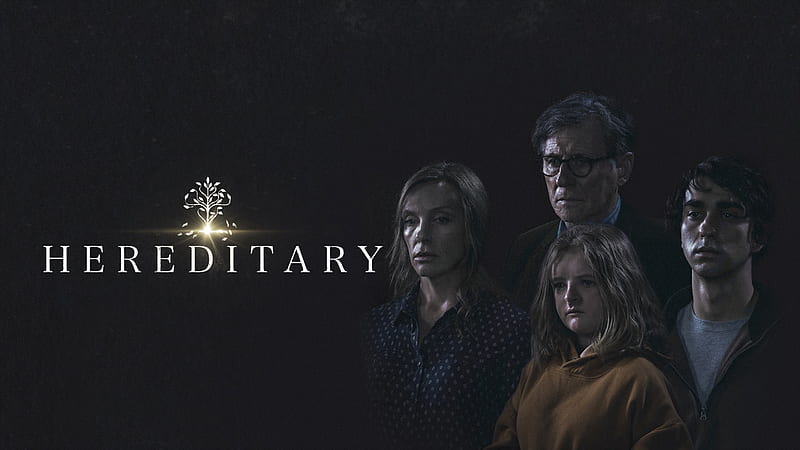
6. Hereditary (2018)


Summary: After the death of a secretive grandmother, a family is consumed by supernatural forces and buried trauma.
Stereotypes:

  • Masculine Stoicism: The father hides grief and stays outwardly composed, embodying the “strong, silent male.”

  • Teenage Emotional Turmoil: The son’s guilt and terror after a tragic accident drive the film’s horror.

7. Joker (2019)


Summary: Failed comedian Arthur Fleck endures bullying and social rejection until he transforms into the violent icon known as the Joker.
Stereotypes:

  • Outsider / Loner / Victim of Bullying: Society labels him a “freak,” deepening his alienation.

  • Labelling and Judgement: Negative labels push him toward the violent identity he eventually adopts.

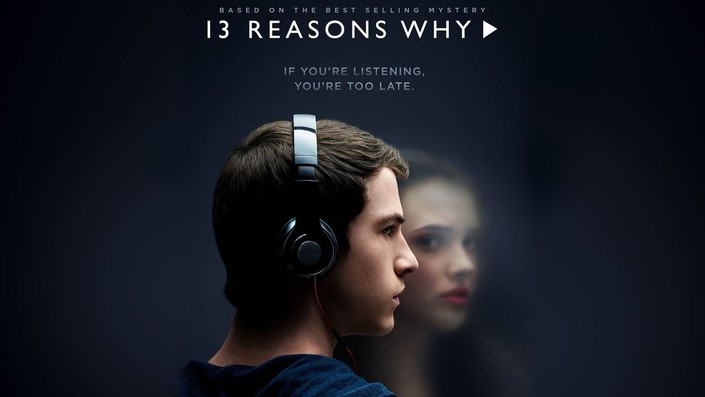
8. Thirteen Reasons Why (2017 – TV Series)


Summary: After a high-school girl dies by suicide, a series of tapes reveals the bullying and betrayals that led to her decision.
Stereotypes:

  • Victim of Bullying / Labelling and Judgement: Hannah is defined by rumors and slut-shaming.

  • Teenage Emotional Turmoil: Her private struggles become the central tragedy.

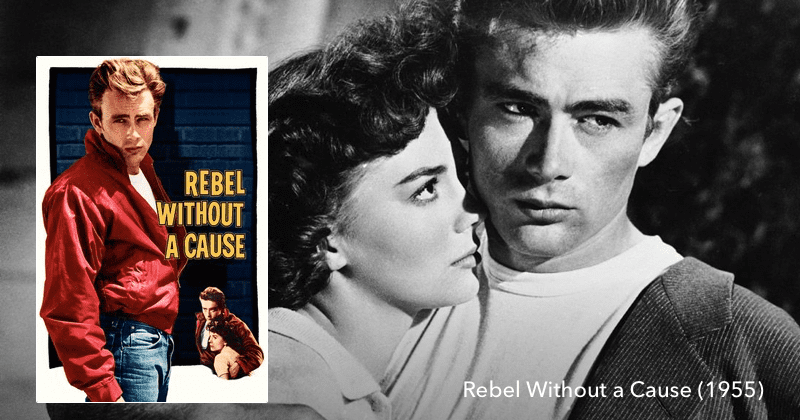
9. Rebel Without a Cause (1955)


Summary: Jim Stark, a restless teenager, rebels against authority and struggles with his parents and peers.
Stereotypes:

  • Teen Rebel / Troubled Teen: Classic image of the moody, misunderstood adolescent.

  • Masculine Stoicism: Jim is pressured to appear tough and unemotional.

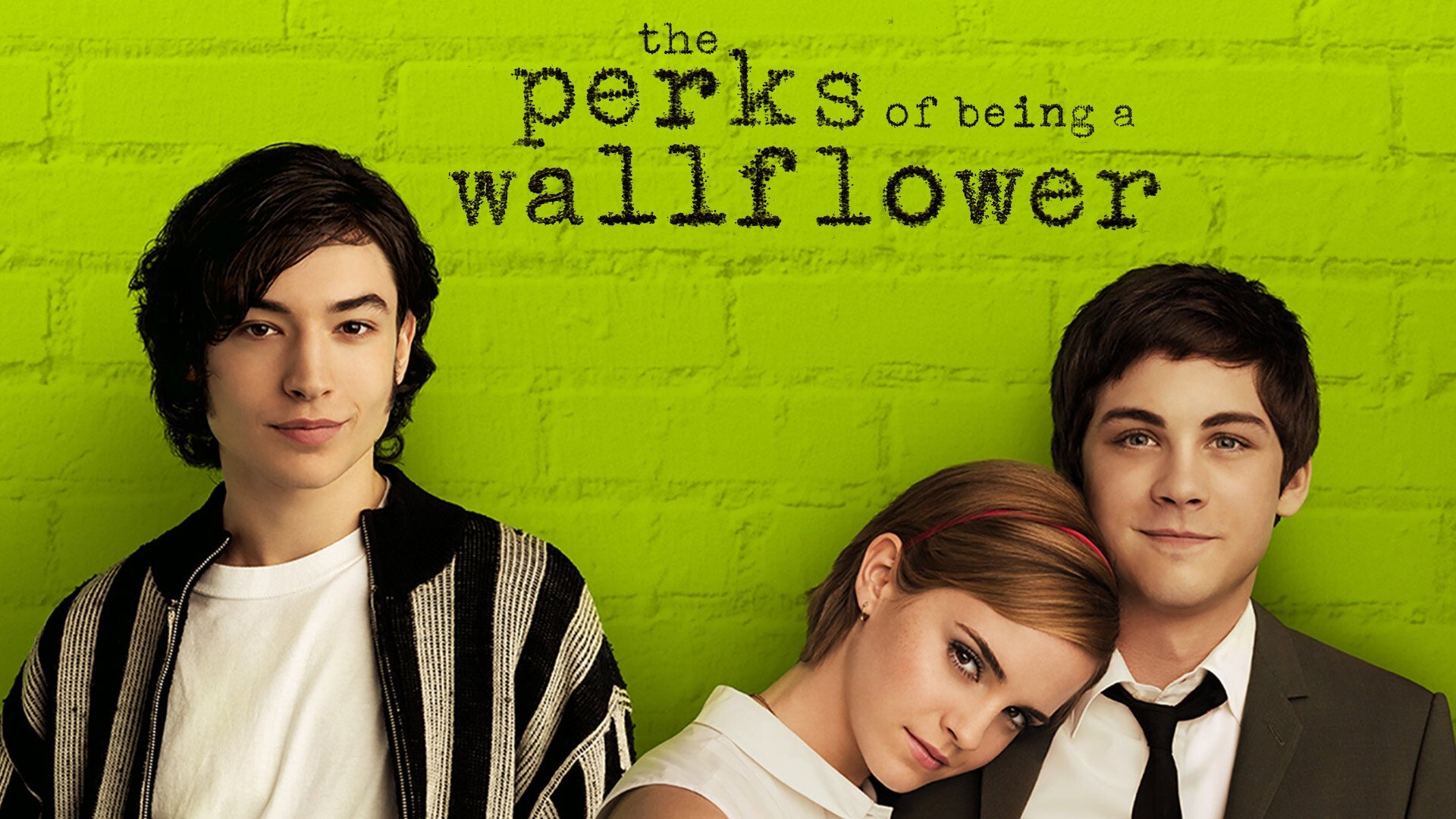
10. The Perks of Being a Wallflower (2012)


Summary: Shy freshman Charlie finds friendship and healing while grappling with trauma and the challenge of fitting in.
Stereotypes:

  • Outsider / Teenage Emotional Turmoil: Charlie is a quiet loner dealing with past abuse.

  • Victim of Bullying: He faces subtle exclusion and teasing, underscoring his outsider status.

These films show how masculine stoicism, social labelling, and teenage inner conflict repeatedly shape both horror and coming-of-age narratives—paralleling the psychological tension and themes of judgement you explore in your hypothetical story.


How the representation of clown changed

When I first came across Stephen King’s It, I thought it was just going to be another scary book. You know — shadows, jump scares, the kind of stuff you close at night and forget about. But It didn’t stay on the page. It crawled inside me and refused to leave. Even now, years later, the word “clown” doesn’t make me think of birthday parties or circuses. It makes me think of a sewer drain, a balloon, and a voice whispering, We all float down here.

What made It different for me wasn’t just the monster. Sure, Pennywise is nightmare fuel, but the real horror was how much of myself I saw in the story. Those kids in the Losers’ Club — scared, picked on, trying to figure out where they belonged — felt so real. I remembered my own childhood fears, the kind that made me check under the bed twice or keep the closet door shut tight. And the way King brings them back as adults, forced to face everything they thought they’d left behind? That hit me harder than I expected. It made me wonder: if the worst fears from my childhood came back for me now, would I really be any braver? Or would I just be that scared kid all over again?

And then there’s Derry — that picture-perfect small town where everyone looks away while kids disappear. That part unsettled me more than Pennywise’s teeth ever did. Because deep down, we all know towns like Derry exist. Places where terrible things happen, but people pretend not to notice because it’s easier. That’s real. And it stings because it forces you to admit that monsters aren’t just hiding in sewers. Sometimes they’re walking on our streets, sitting in our classrooms, living next door — and nobody wants to see them.

King didn’t pull Pennywise out of thin air either. When I read about John Wayne Gacy, the so-called “Killer Clown,” I felt sick. A man dressing up to make kids laugh while secretly murdering young boys? That’s not fiction. That’s worse than anything a writer could dream up. Knowing that King wrote It not long after those headlines makes Pennywise even more chilling. It wasn’t just a scary idea. It was a reflection of something that had already crawled out of reality.

And the Charlie Howard story… that one broke me. A young gay man attacked and thrown off a bridge in Maine, just because of who he was. King put that into It, almost word for word, through the murder of Adrian Mellon. It wasn’t just horror for entertainment — it was a reminder that hate is its own kind of monster. And honestly, that’s the part of the book that still hurts the most. Pennywise might be terrifying, but human cruelty? That’s the kind of horror that sticks.

Still, when most people think of It, they think of the clown. And I can’t blame them. Before Pennywise, clowns were harmless, goofy, even lovable. After Pennywise, clowns became the stuff of nightmares. I remember watching Tim Curry in the 1990 miniseries when I was way too young, and I swear I couldn’t look at a drain for months without imagining that grin staring back at me. Then Bill Skarsgård came along years later and somehow made it worse — those eyes drifting in different directions, that voice slipping from sweet to deadly in a heartbeat. It didn’t matter how old I was. I felt like a kid again, clutching the blanket, half-tempted to leave the light on.

And it wasn’t just me. Remember the clown panics in 2016? People dressing up in clown costumes, lurking in parking lots and forests, scaring entire towns? That hysteria only worked because It had already rewired us. King had planted that seed decades earlier, and now it had grown into a cultural phobia. The world didn’t just fear clowns anymore. It expected them to be dangerous.

The truth is, King didn’t create the scary clown — but he made us feel it in our bones. He turned the smile into a threat, the balloon into a warning, the joke into a trap. He reminded us that the things meant to comfort us can sometimes betray us. And that’s why It still lingers. Because behind the fangs and balloons, it isn’t really about a clown at all. It’s about the fears we never outgrow, the ones that follow us from childhood into adulthood, waiting for the right moment to come back.

And honestly? That’s scarier than any monster.

Comments

Popular Posts