Finally after all that hard work it came to materialize my work by editing, the soft ware used in this were Filmora, Davinchi reolve and for open source sound Pixaby. My very own productionhouse I started by creating its intro, it was RAY PRODUCTION if you cant tell already, Ray is my nick name and in some cases, my alias, I was inspired by dream works moon theme and angel choirs so, i decided to make my production house appear under descending light with angelic choirs, this represent the view or image of something heavenly in your mind, and every thing good is associated with heaven so that's why people tend to look positively to the product because the positive image is already made. In the next scene, several fade in and and fade out and straight cuts are added to enable smooth transition, these scenes are tend to be quite as the most horror of sound is defiantly the deafening silence, other than that some sound effects were added like throwing the valet, pic...
Get link
Facebook
X
Pinterest
Email
Other Apps
Narrative
Linear narrative:
The narrative I choose is linear narrative which follows a stable development with introduction which shows equilibrium (beginning) and than development is added (rising action) rather by introduction of a problem or villain which creates a disequilibrium than a the story slowly reaches its climax where the protagonist recognizes the problem and try to solve is this is where the thrill is at its peak and the story is exactly in the middle than comes the solution of the problem or enemy (falling action) this introduces a new equilibrium to the already present disequilibrium to balance the story out and reach its resolution (end).
Tzvetan Todorov (1939-2017)
This follows Tzvetan Todorov's theory of narrative which describes a five-stage process, starting with an initial equilibrium, followed by a disruption that upsets this balance, a recognition of the problem, an attempt to repair the damage, and finally a new equilibrium or resolution. This structuralist approach analyzes how stories progress from a state of normality to imbalance and back again, providing a framework for understanding narrative progression and character development, although not all narratives adhere to this traditional model.
Narrative & Thematic Conventions
Fear of the unknown: unexplained events, hidden threats, or unseen monsters.
Isolation: characters cut off from help (empty streets, remote houses, deserted schools).
Vulnerability of the protagonist: often ordinary people, not action heroes.
Psychological breakdown : blurred line between reality and delusion, unreliable narrators.
Exploration of guilt, trauma, or repressed emotions .
Good vs. evil moral tension: temptation, corruption, or an unstoppable evil force.
Inevitable tragedy or bleak ending: survival is uncertain or comes at a cost.
Inspirations:
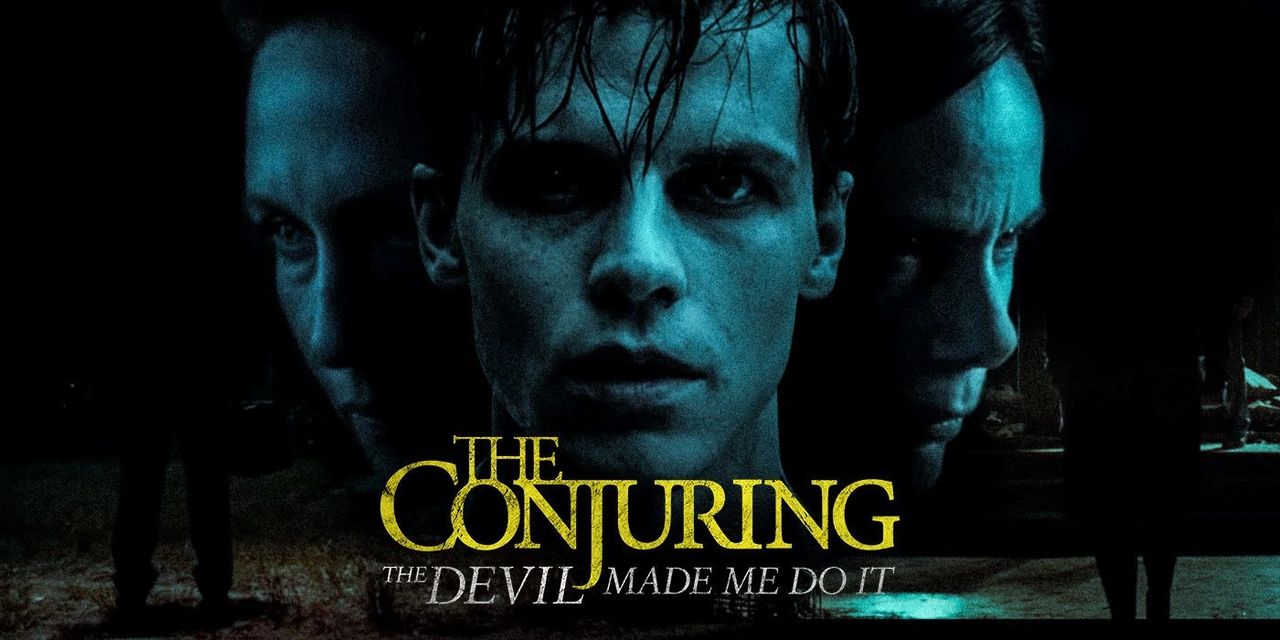
The Conjuring: The Devil Made Me Do It (2021)
Summary: Paranormal investigators Ed and Lorraine Warren document the real 1981 murder case in which a young man claimed demonic possession as a defense. Why it is linear: The film follows the investigation step-by-step, starting with the possession and moving forward through the murder trial without shifting back and forth in time.
The Medium (2021)
Summary: A Thai pseudo-documentary horror about a shaman whose niece shows signs of terrifying possession.
Why it is linear: Despite its mock-documentary style, the events unfold chronologically—from the first signs of possession to the escalating rituals and climax.
The Black Phone (2022)
Summary: A kidnapped boy discovers he can communicate with the killer’s previous victims through a mysterious phone in the basement.
Why it is linear: The story tracks the boy’s abduction, his attempts to escape, and the final confrontation in a straight time line.
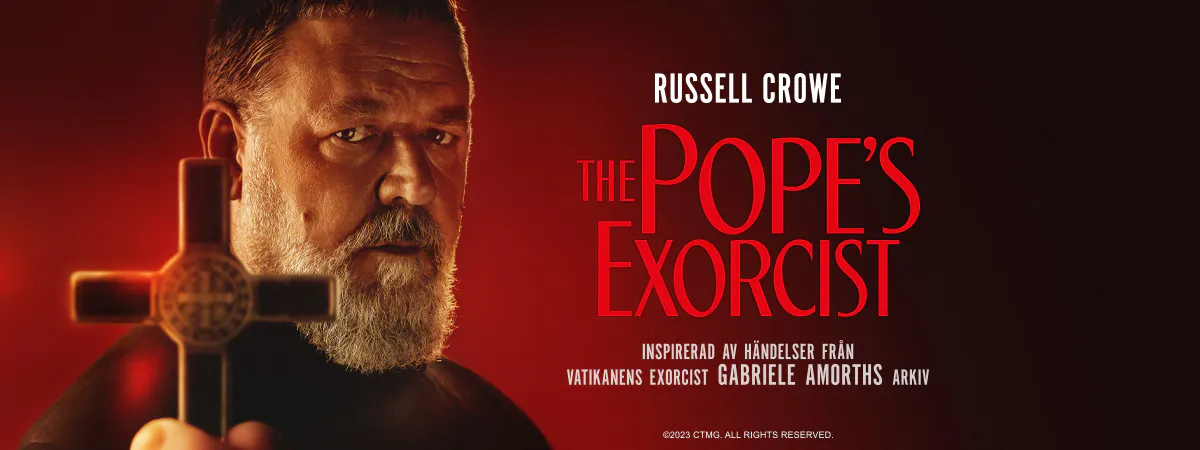
The Pope’s Exorcist (2023)
Summary: Based on files of Father Gabriele Amorth, chief exorcist of the Vatican, as he battles a dangerous possession case.
Why it is linear: The narrative follows the investigation and exorcism in real-time order from the first signs of possession to the resolution.
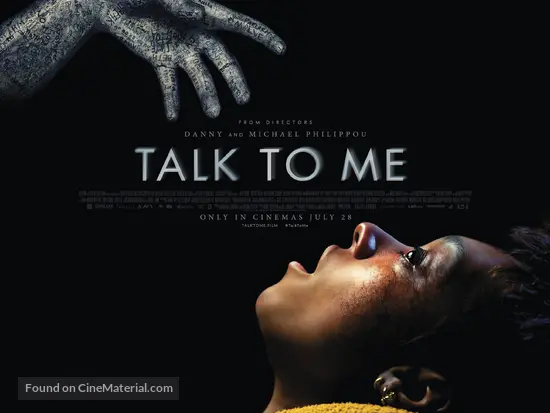
Talk to Me (2023)
Summary: A group of teens discover they can communicate with spirits using a mysterious embalmed hand, unleashing terrifying consequences.
Why it is linear: The film begins with their first experiment and moves step-by-step through the consequences without significant flashbacks.
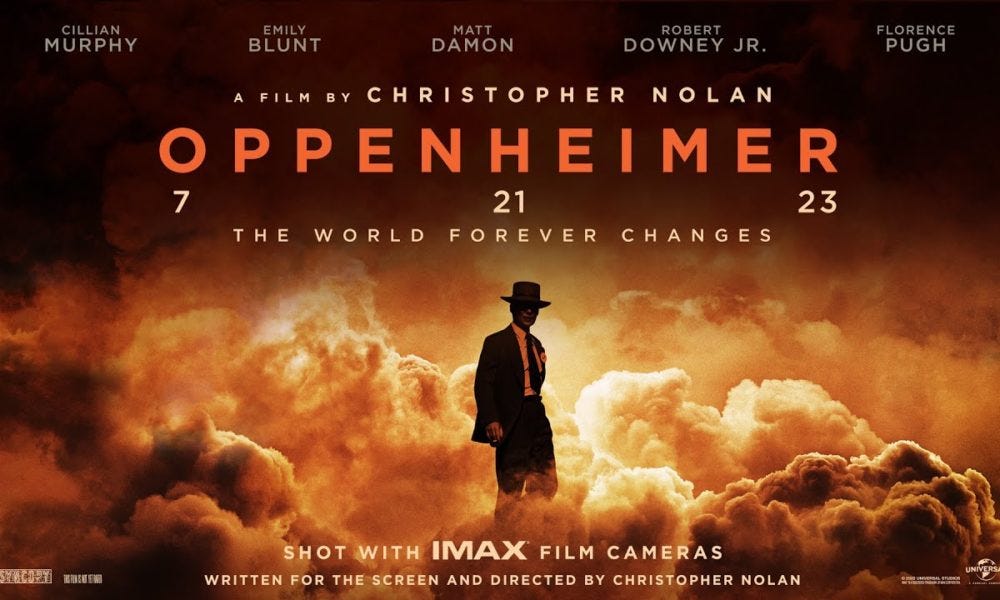
Oppenheimer (2023)
Summary: A biographical drama on physicist J. Robert Oppenheimer and the development of the atomic bomb.
Why it is linear: Despite brief framing hearings, the main storyline follows Oppenheimer’s life and the Manhattan Project in chronological order.
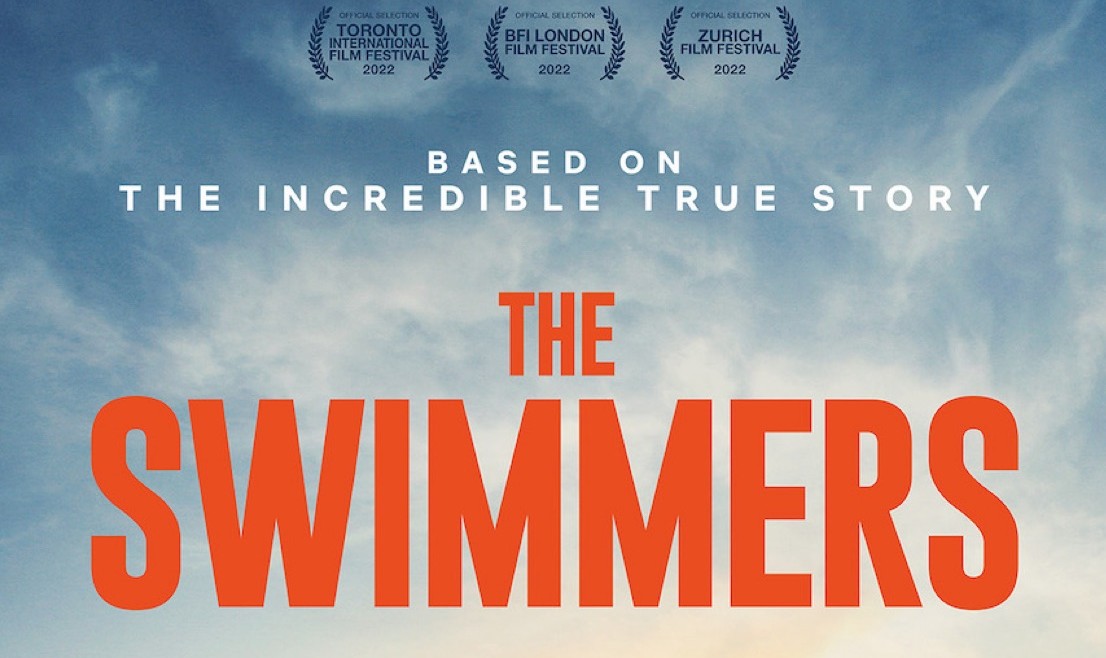
The Swimmers (2022)
Summary: The true story of two Syrian sisters who escape war and swim across the Aegean Sea to reach safety and later compete in the Olympics. Why it is linear: Their journey from war-torn Damascus to Europe unfolds in straightforward sequence.
King Richard (2021)
Summary: Chronicles Richard Williams’ determination to train his daughters Venus and Serena to become tennis champions.
Why it is linear: The story progresses through their early training and first professional matches in clear chronological steps.
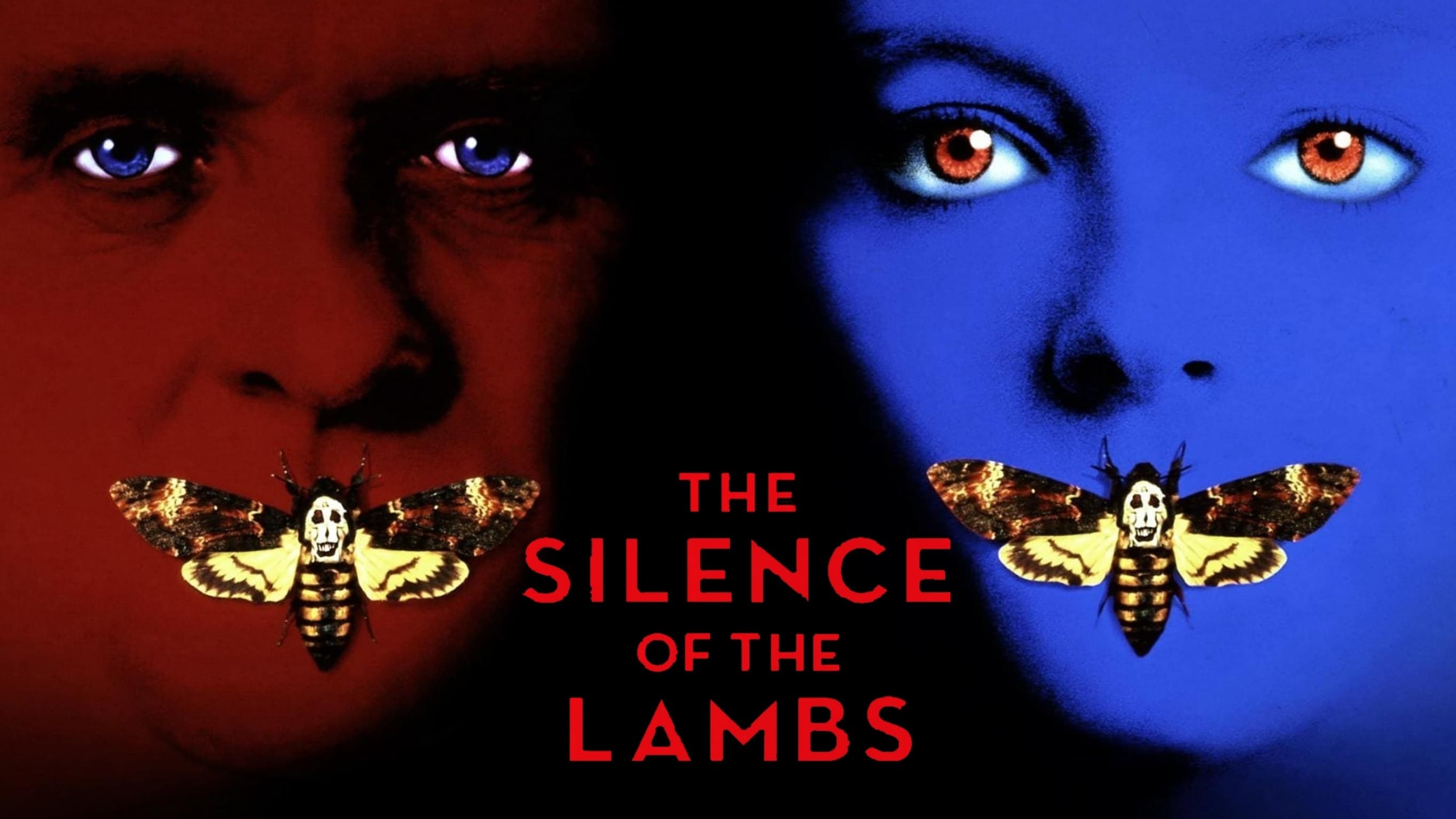
The Silence of the Lambs (1991)
Summary: An FBI trainee seeks help from an imprisoned killer to catch another serial murderer. Why it is linear: The story unfolds in chronological order, from Clarice’s assignment to the final capture, with no flashbacks or time shifts.
Get Out (2017)
Summary: A man visiting his girlfriend’s family discovers a horrifying plan to steal bodies.
Why it is linear: Events progress in a straight timeline—from his arrival to his escape—without narrative jumps or non-chronological scenes.







Comments
Post a Comment